简介
This repair guide was authored by the iFixit staff and hasn’t been endorsed by Google. Learn more about our repair guides here.
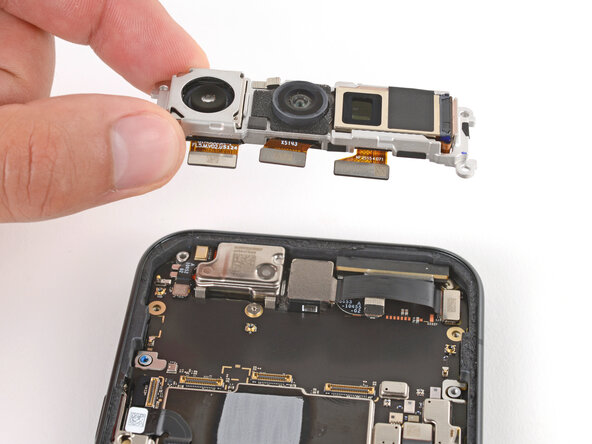
Follow this guide to replace the rear cameras in your Google Pixel 10.
If your rear camera images looks fuzzy or blurry, or if the cameras have stopped working entirely, it may be time to replace them.
The three rear cameras (wide, ultrawide, and telephoto) come together as one assembly—to replace one, you'll have to replace all of them.
Note: Any repair can compromise the water resistance of your phone. Retaining water resistance after the repair depends on how accurately the new adhesives are applied and how clean the surfaces are.
你所需要的
-
-
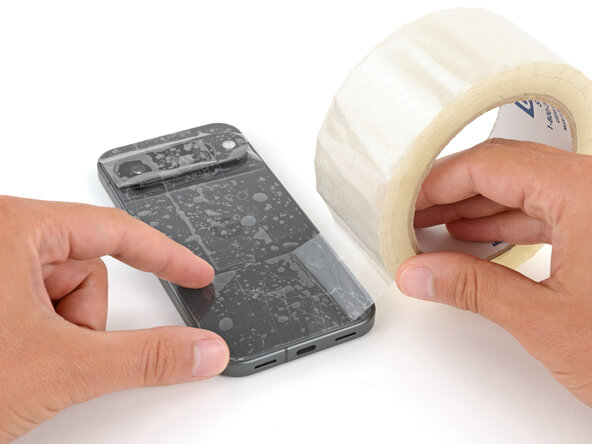
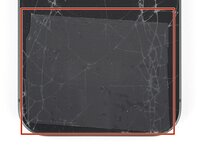
Apply strips of packing tape to the cracked glass until it's completely covered—this will help keep the glass contained and allow the suction cup to stick.
-
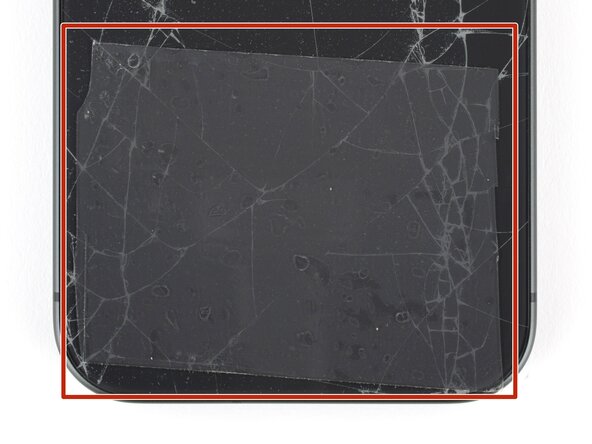
Make sure there's a single strip (not overlapping) of tape across the bottom edge, big enough for a suction cup to fit on.
-
-
-
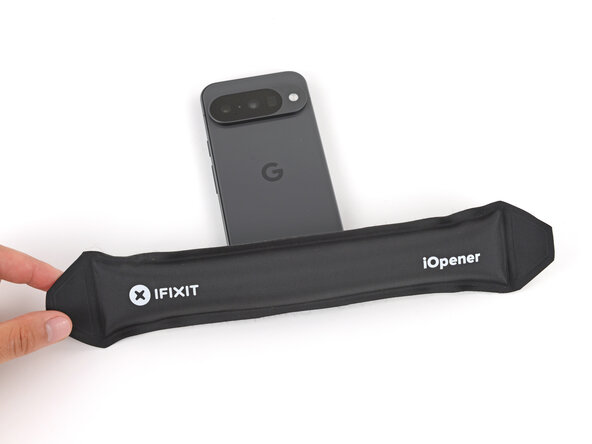
Heat an iOpener and lay it on the bottom edge of the back glass for two minutes.
-
-
-
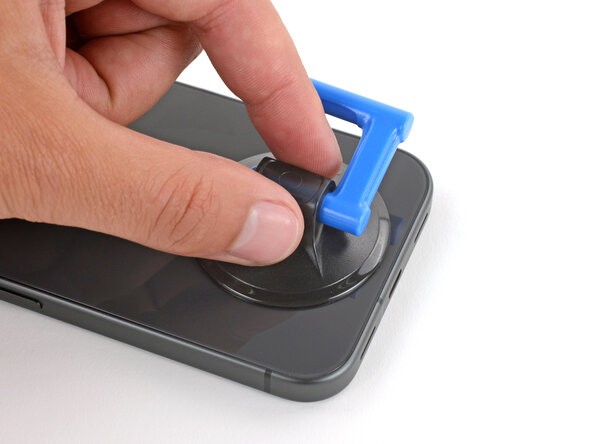
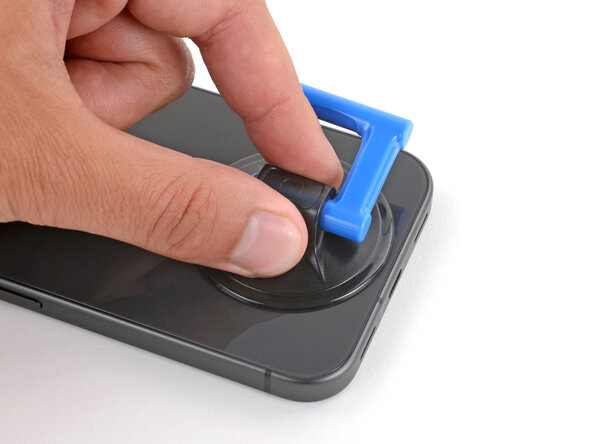
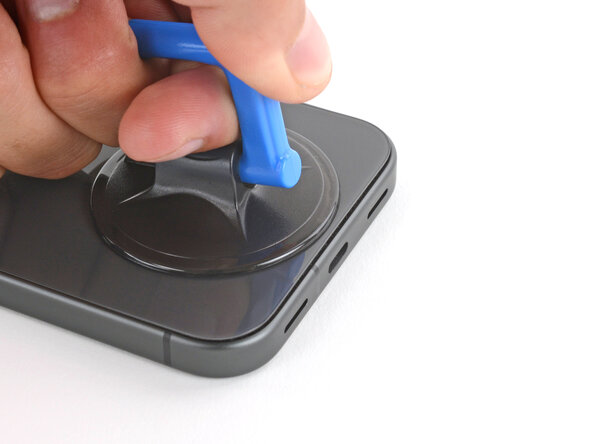
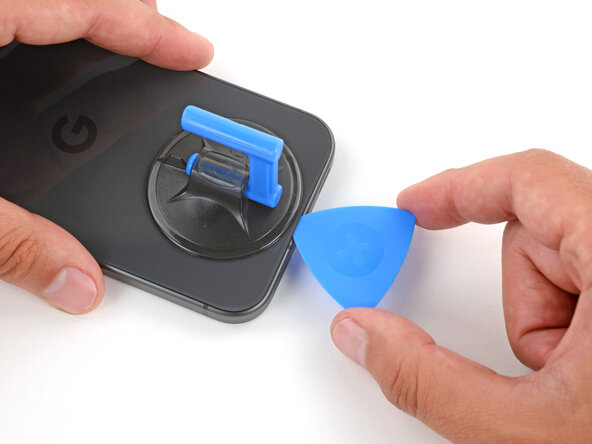
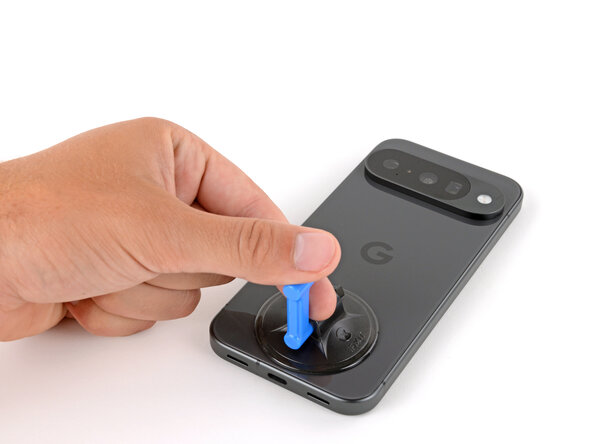
Apply a suction handle to the center of the back glass's bottom edge, as close to the edge as possible.
-
-
-
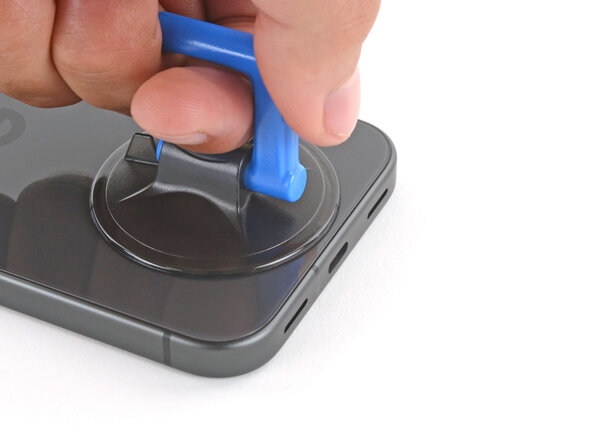
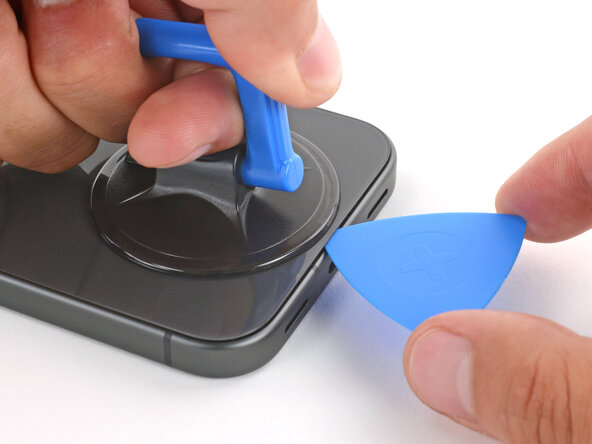
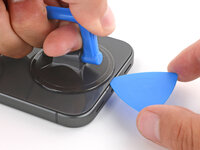
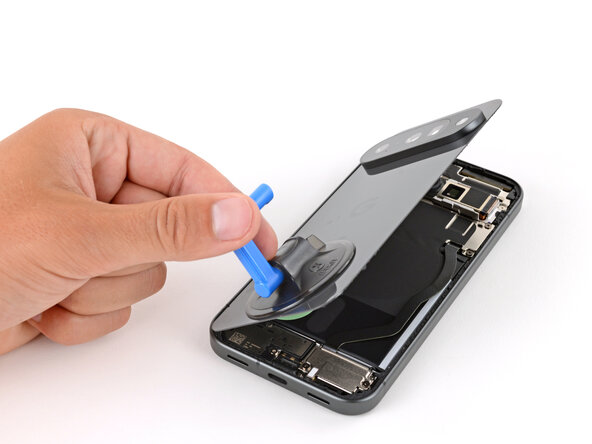
Pull up on the suction handle with strong, steady force until a gap forms between the back glass and frame.
-
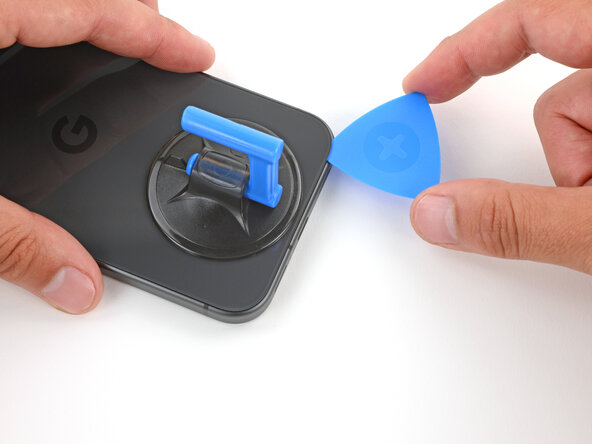
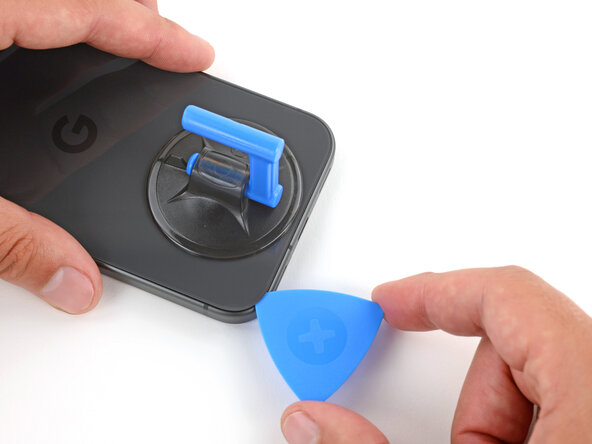
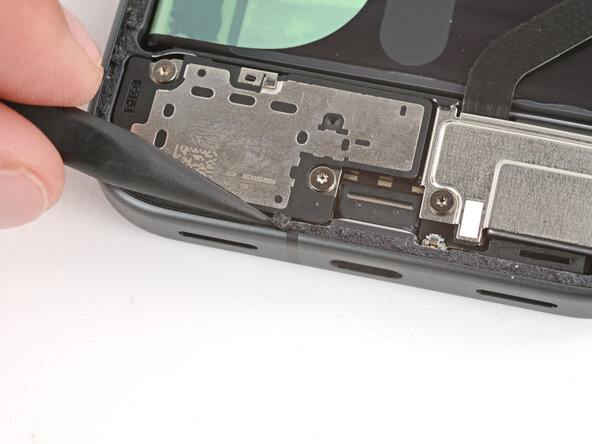
Insert the tip of an opening pick into the gap.
-
-
-
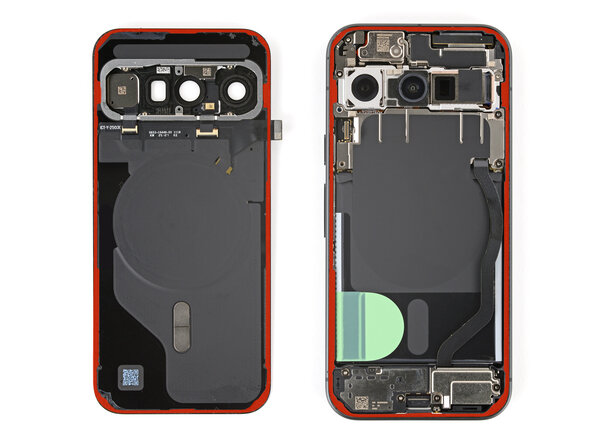
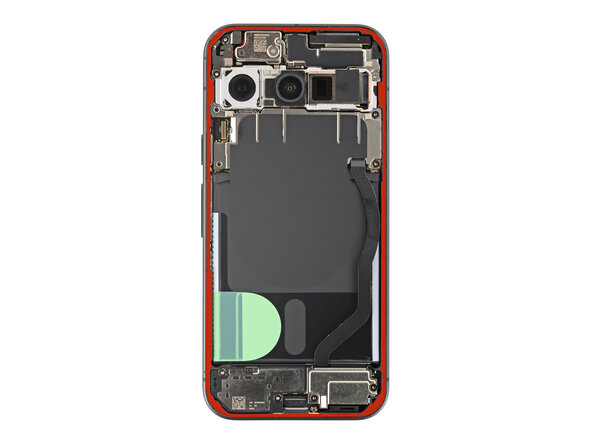
The back glass is secured with adhesive around the perimeter of the frame. Use this picture as a reference while you separate the adhesive.
-
-
-
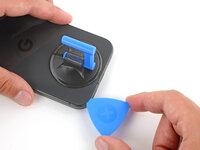
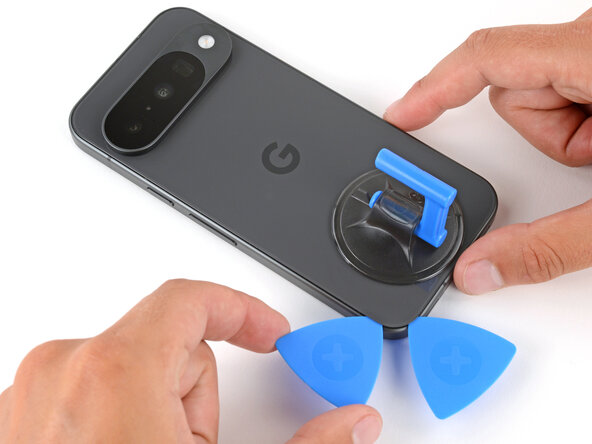
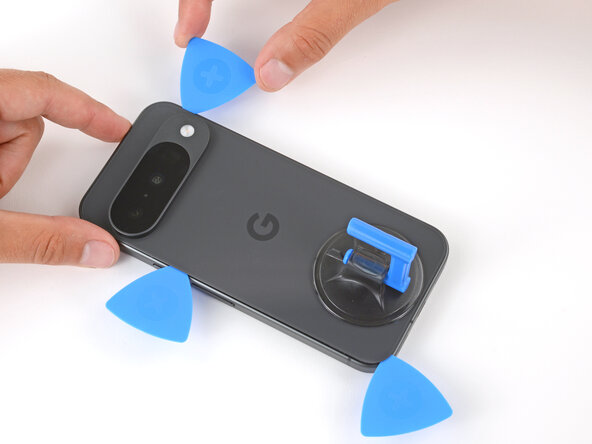
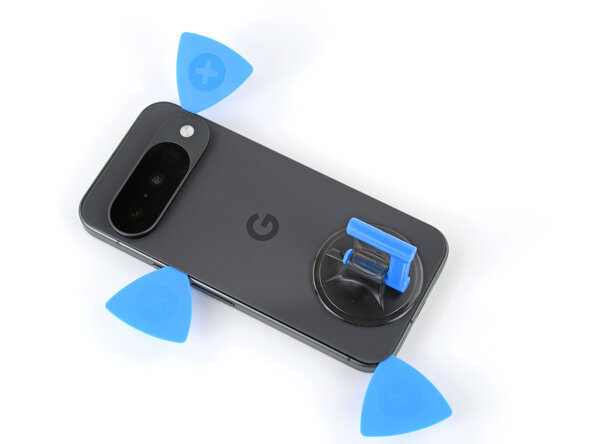
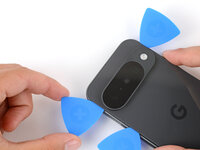
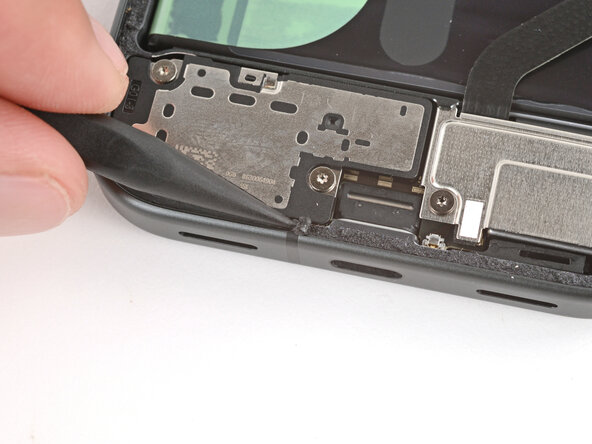
Slide the opening pick along the bottom edge to separate the adhesive.
-
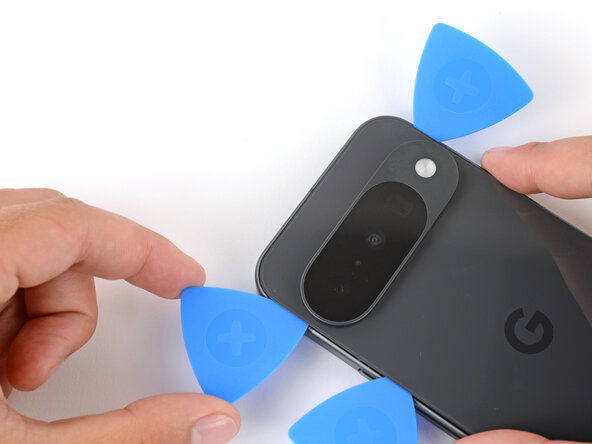
Leave the pick inserted under the bottom left corner to prevent the adhesive from re‑sealing.
-
-
-
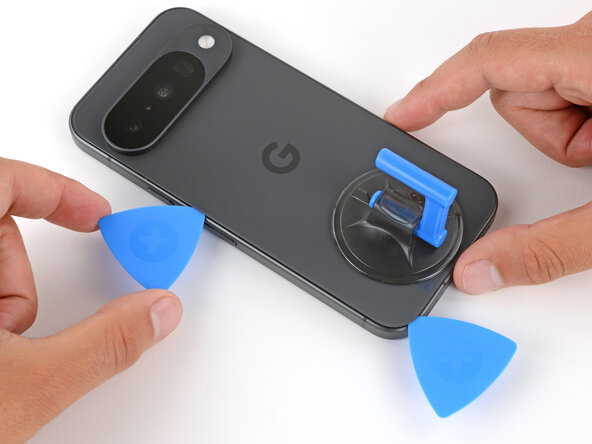
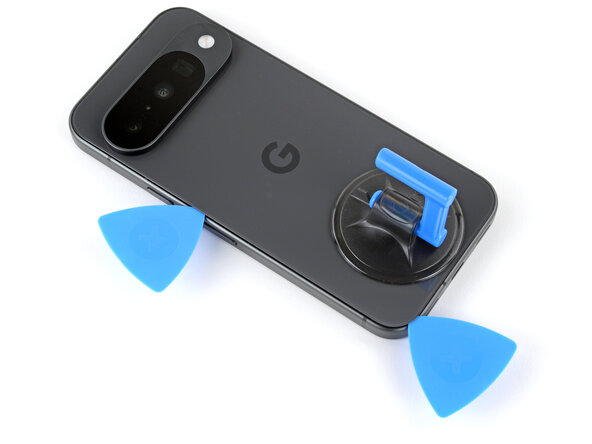
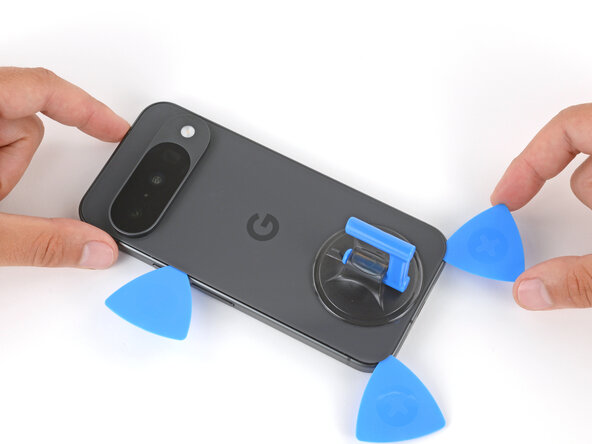
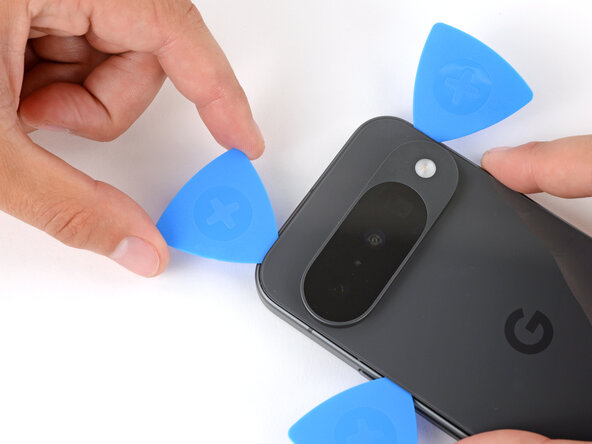
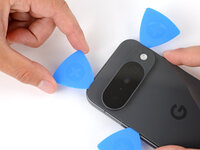
Insert a second pick under the bottom left corner and slide it up the left edge, stopping at the power button.
-
Leave the pick inserted to prevent the adhesive from re‑sealing.
-
-
-
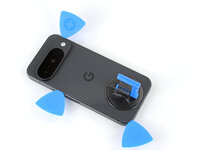
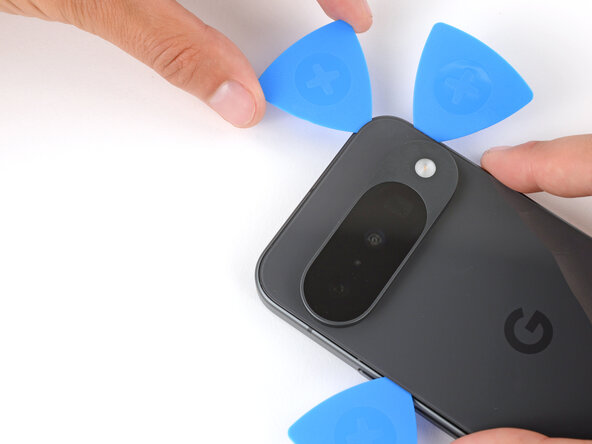
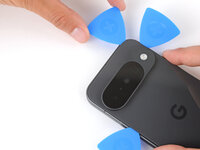
Insert a third pick under the bottom right corner of the back glass and slide it up the right edge.
-
Leave the pick inserted under the top right corner.
-
-
-
Insert a fourth pick under the top right corner.
-
Slide the pick along the top edge and slightly around the top left corner, stopping at the bottom of the camera bump.
-
-
-
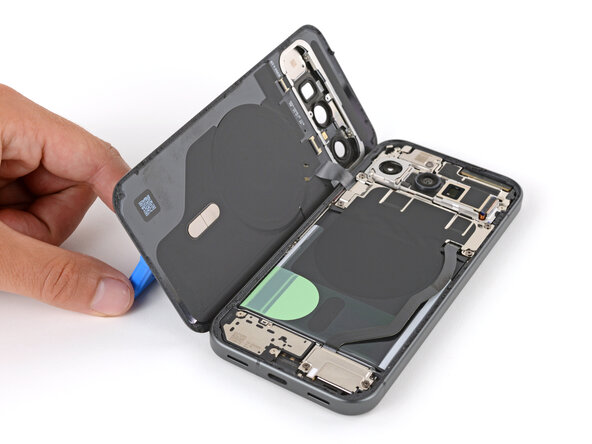
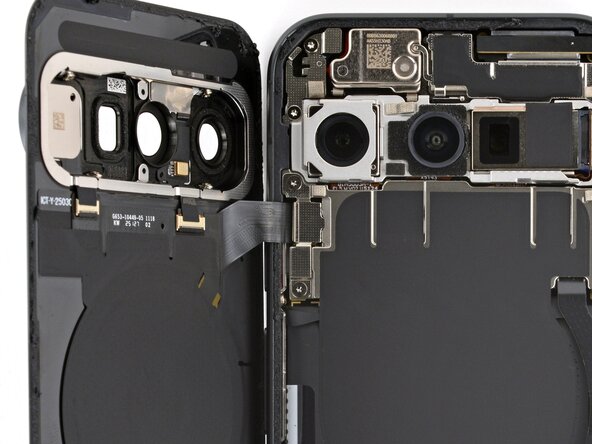
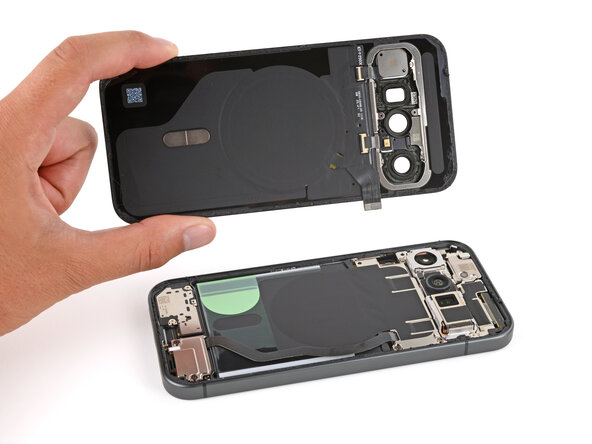
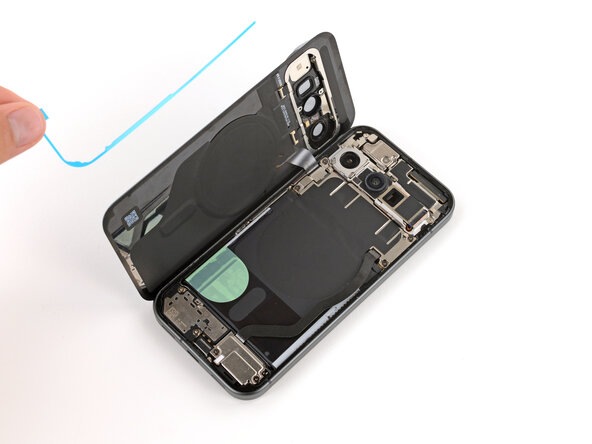
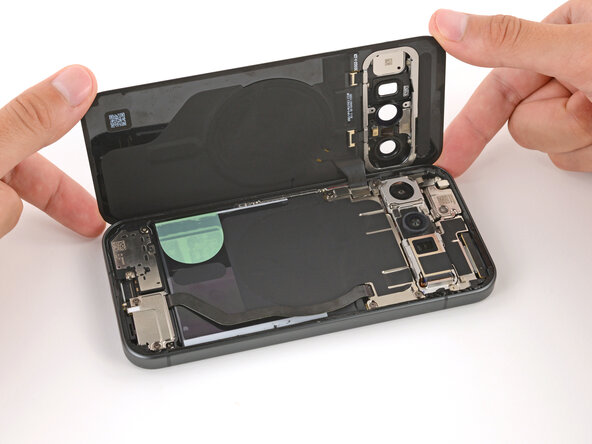
Flip the back glass over the left side of the phone and use the suction handle (or a sturdy object) to prop it up.
-
-
-
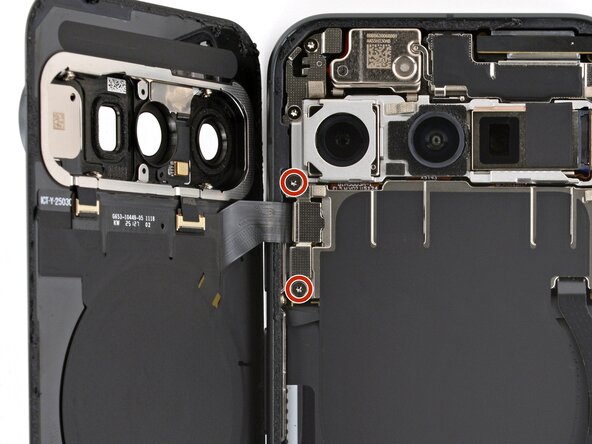
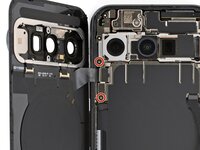
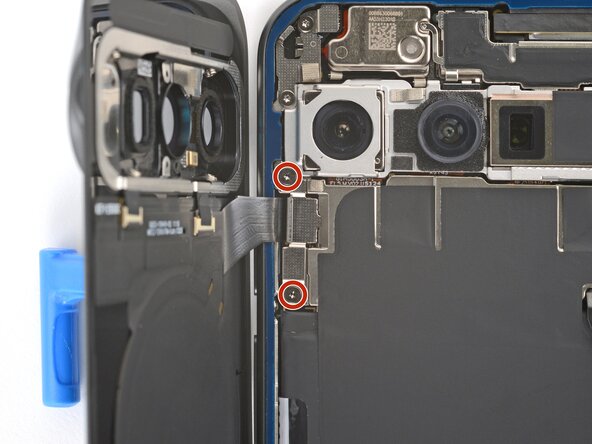
Use a Torx Plus 3IP screwdriver to remove the two 5.0 mm‑long screws securing the back glass connector bracket.
-
-
-
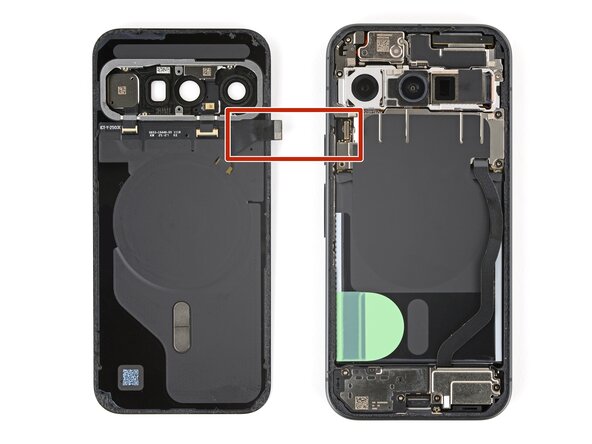
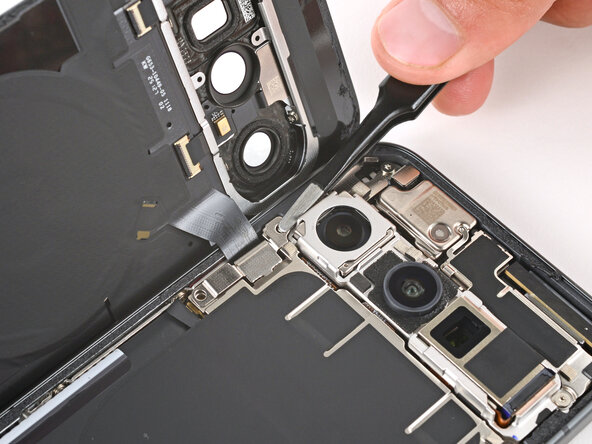
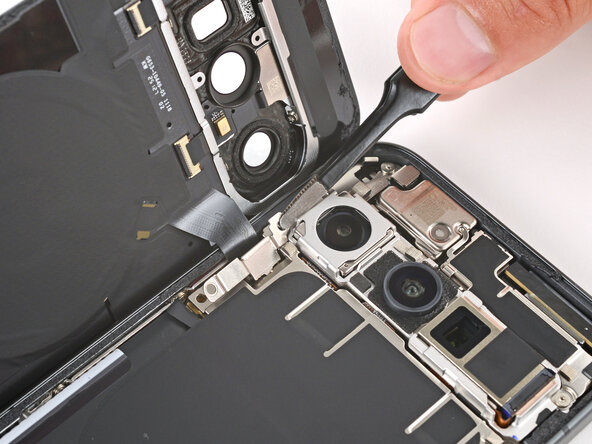
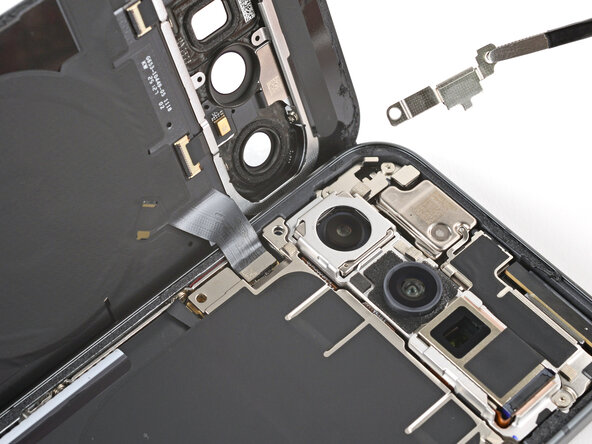
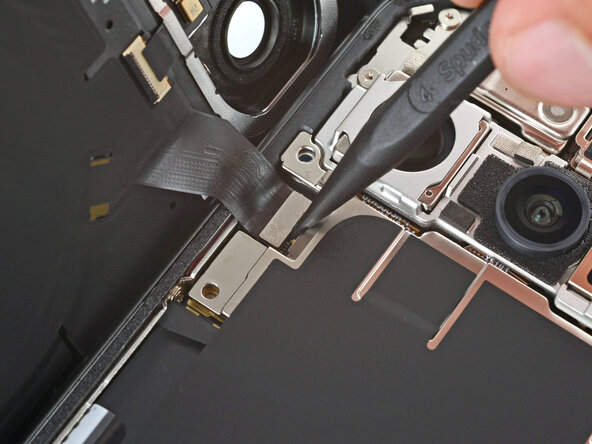
Use the point of a spudger to pry up and disconnect the back glass press connector.
-
-
-
Use a Torx Plus 3IP screwdriver to remove the two 5.0 mm‑long screws securing the motherboard cover.
-
-
-
Use a spudger to lift the motherboard cover and gently flip it towards the bottom of the phone.
-
-
-
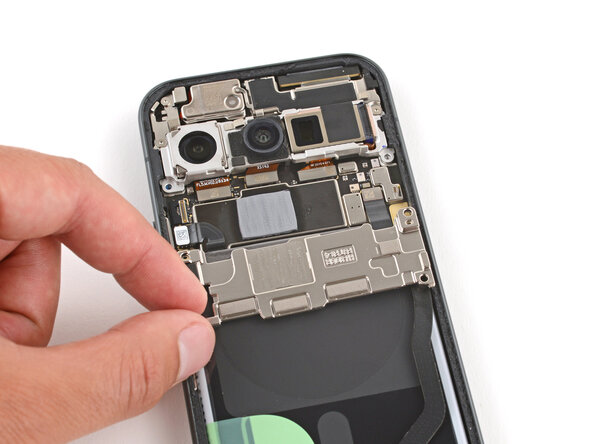
Use the point of a spudger to pry up and disconnect the battery press connector.
-
-
-
-
Use a Torx Plus 3IP screwdriver to remove the 5.0 mm‑long screw securing the front camera bracket.
-
-
-
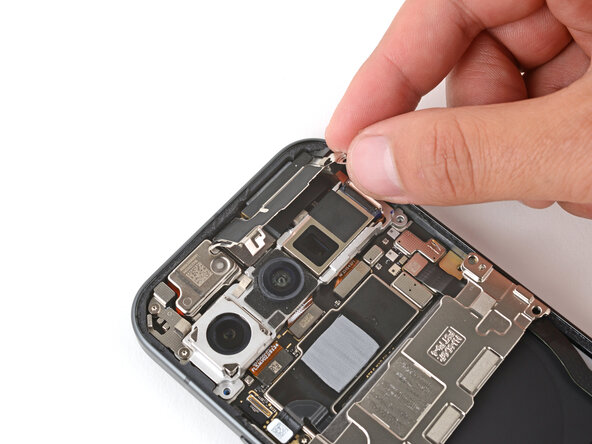
Use the point of a spudger to push the front camera bracket's clip in and up to release it.
-
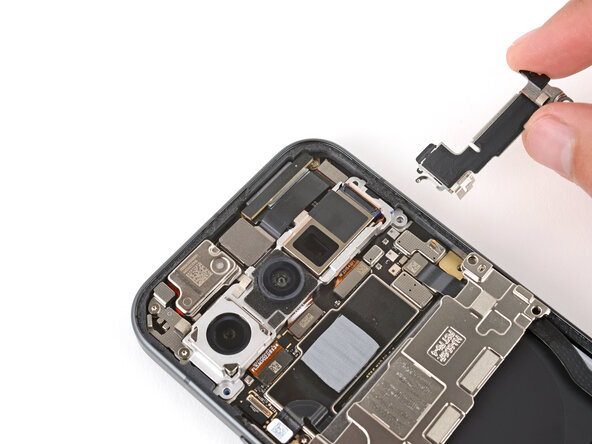
Remove the bracket.
-
-
-
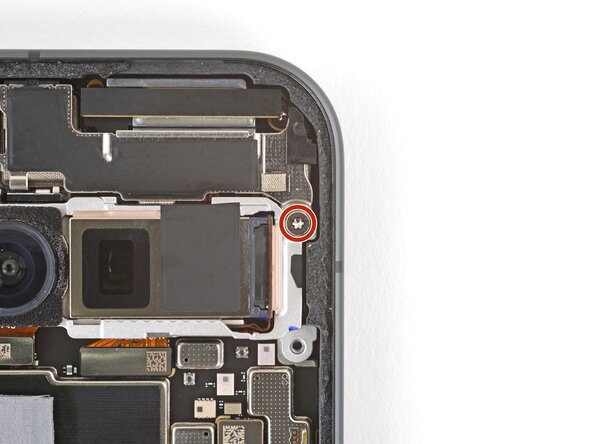
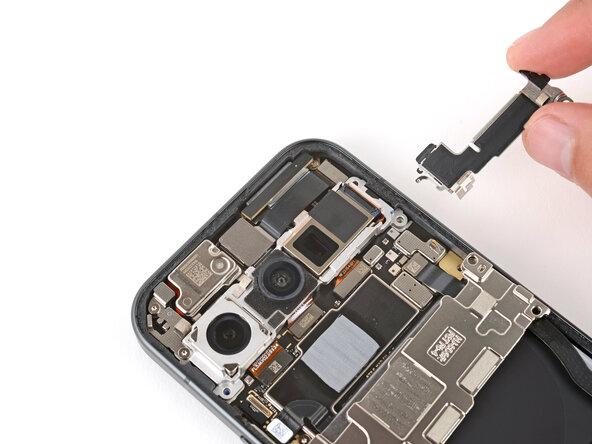
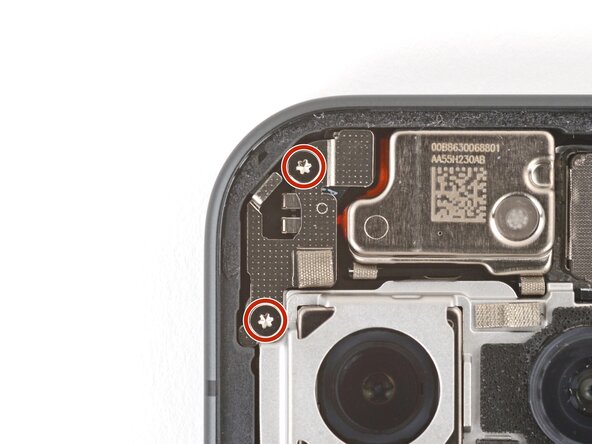
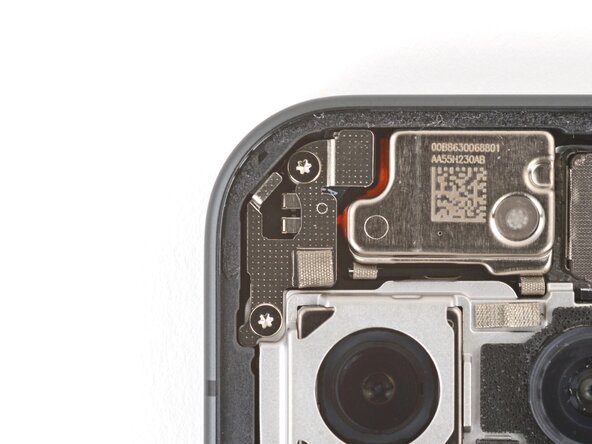
Use a Torx Plus 3IP screwdriver to remove the two 5.0 mm‑long screws securing the mic cover.
-
-
-
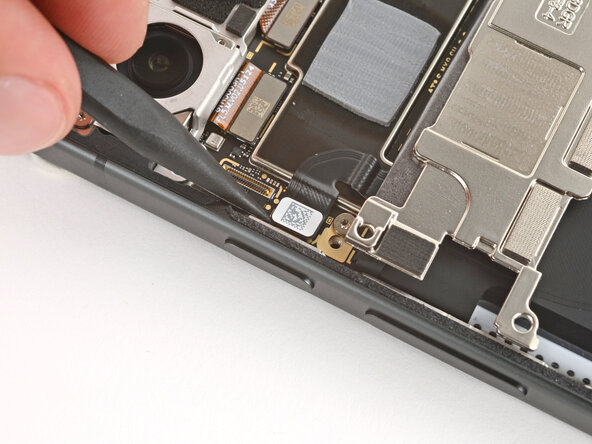
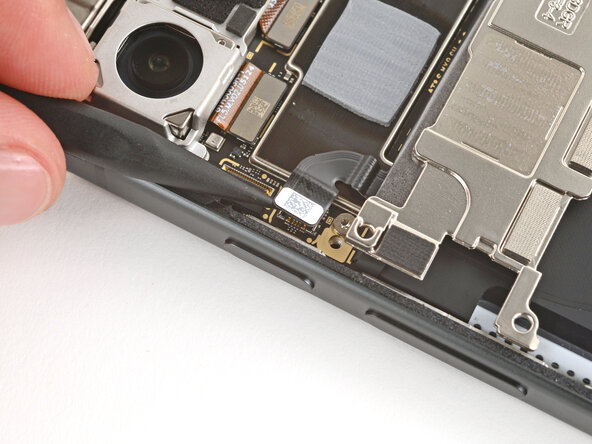
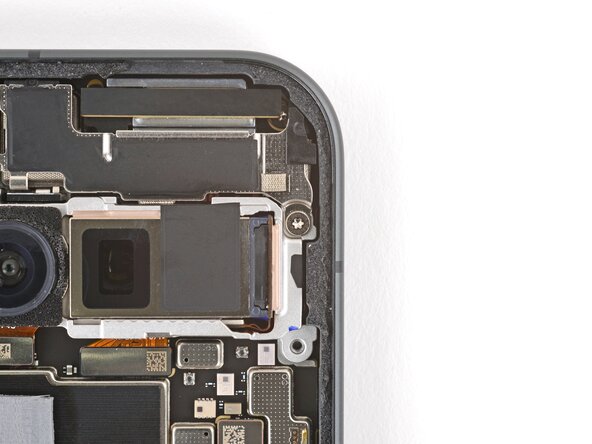
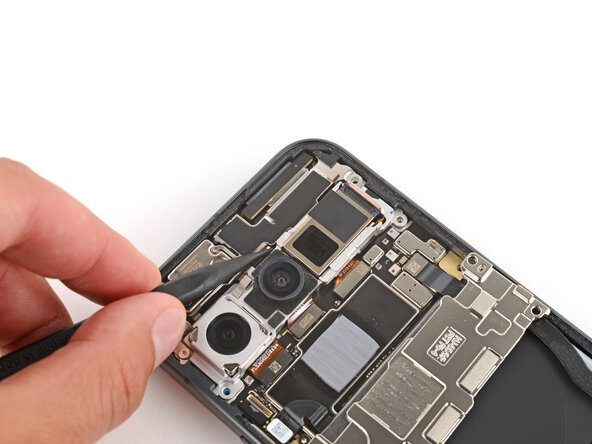
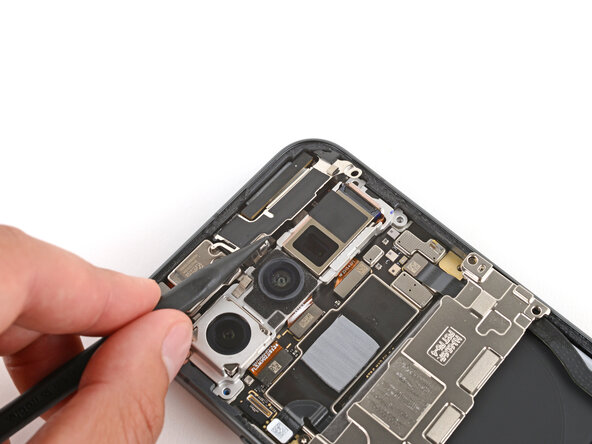
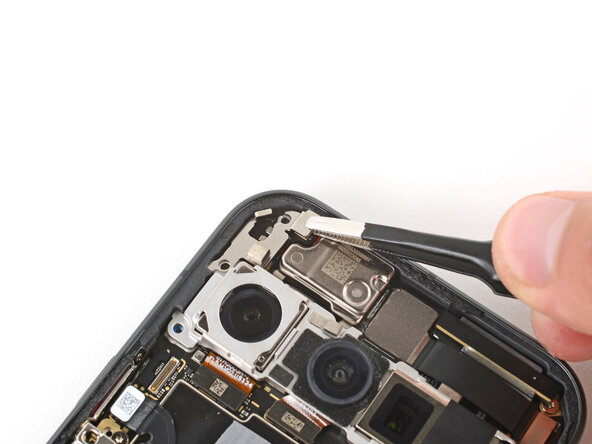
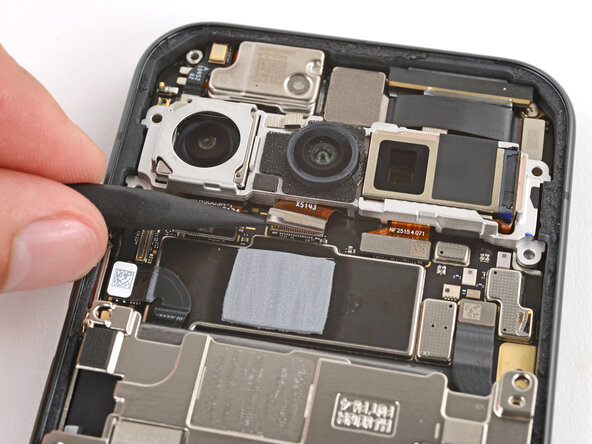
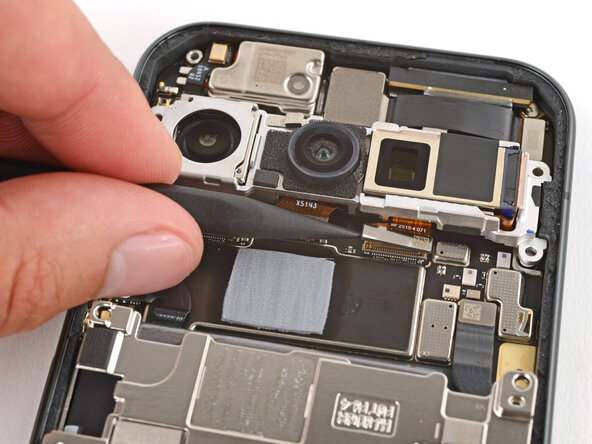
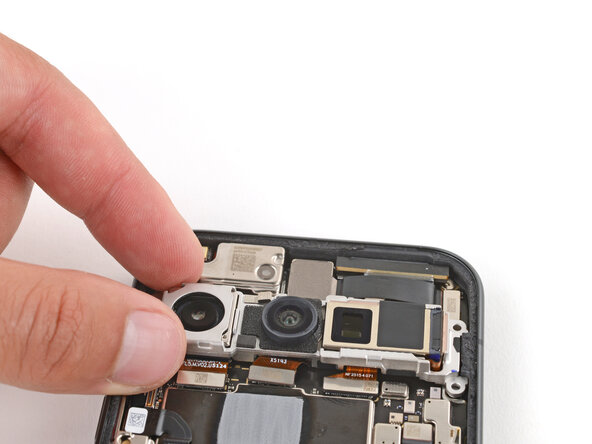
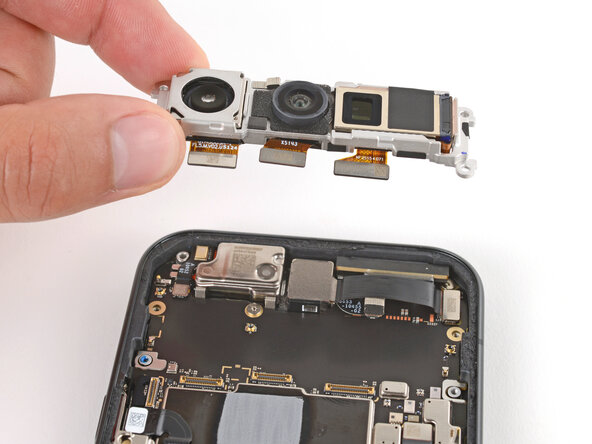
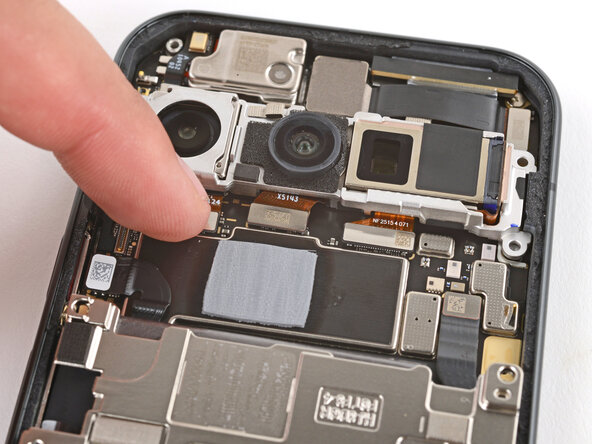
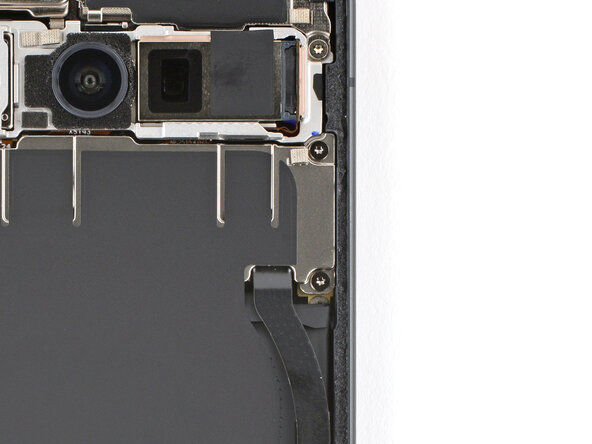
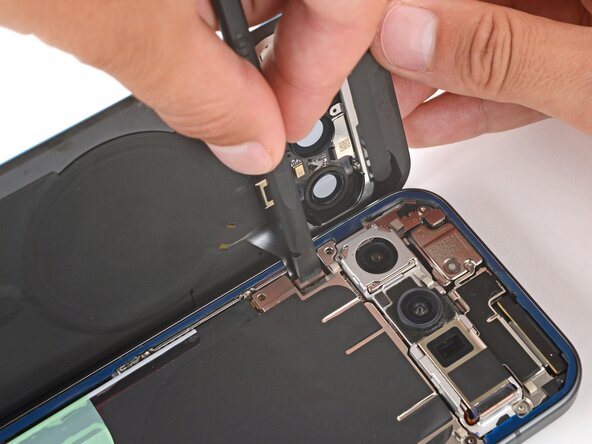
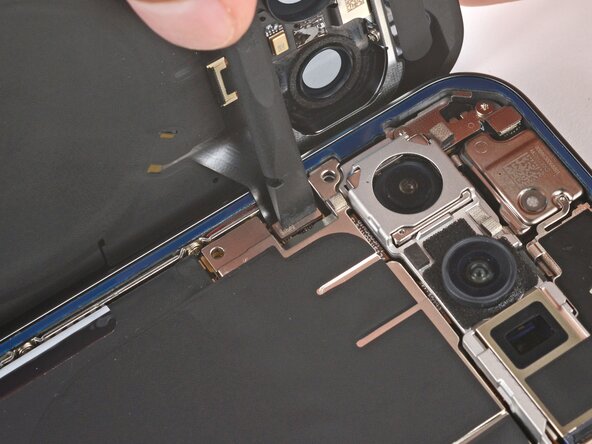
Use the point of a spudger to pry up and disconnect the three rear camera press connectors.
-
-
-
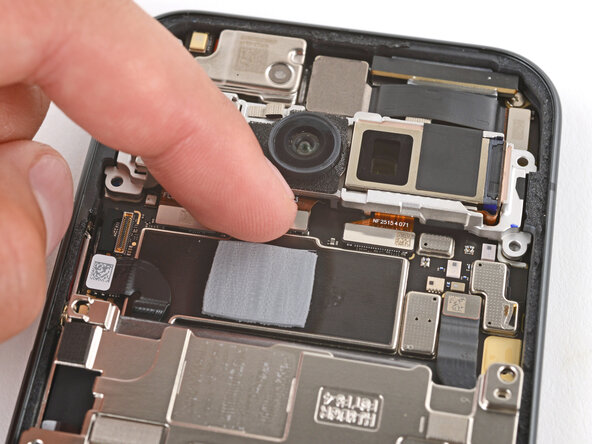
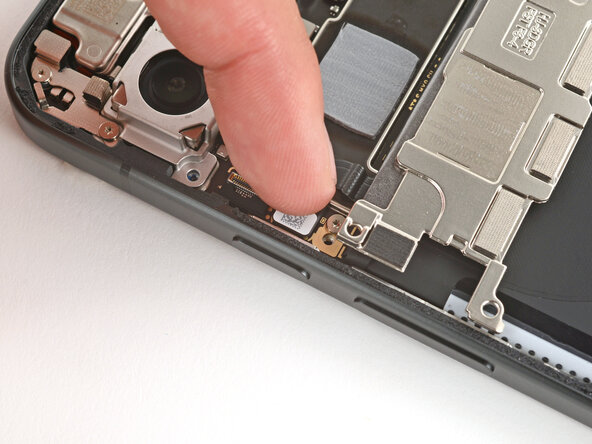
Use your finger to press down and connect the three rear camera press connectors.
-
-
-
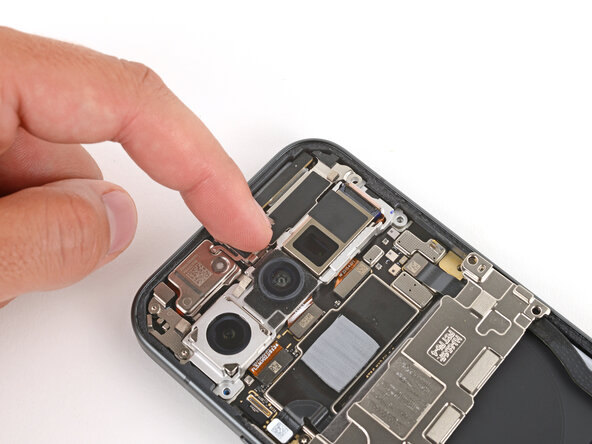
Slide the top corners of the front camera bracket under the lip in the frame and press the clip in to secure it.
-
-
-
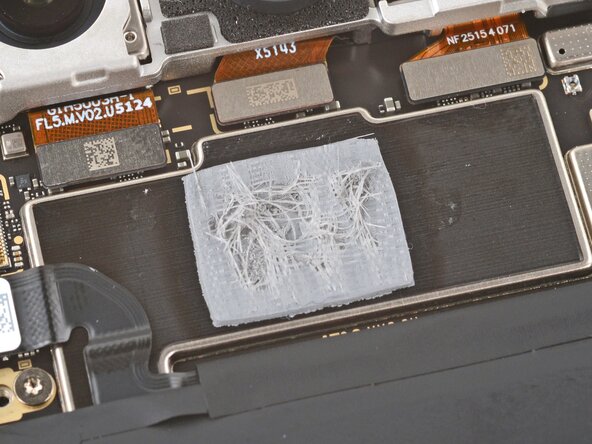
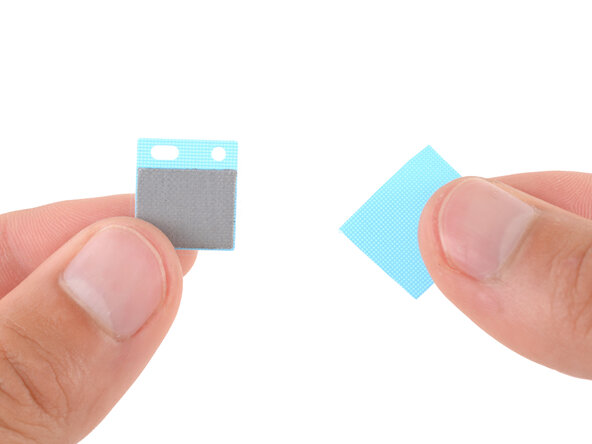
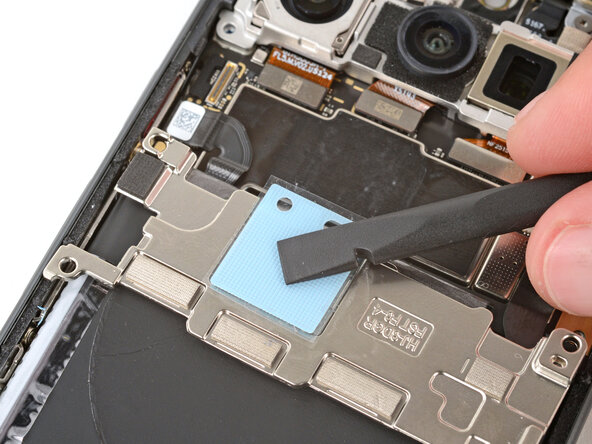
Check the condition of the motherboard thermal pad—it'll either be on the bottom edge of the board or on the underside of the cover.
-
Use the flat end of a spudger to gently scrape up and remove all the old thermal pad from the board and cover.
-
Use high‑concentration (>90%) isopropyl alcohol and a coffee filter (or lint‑free cloth) to clean up any thermal pad residue from the board and cover.
-
Allow the alcohol to dry completely before continuing.
-
-
-
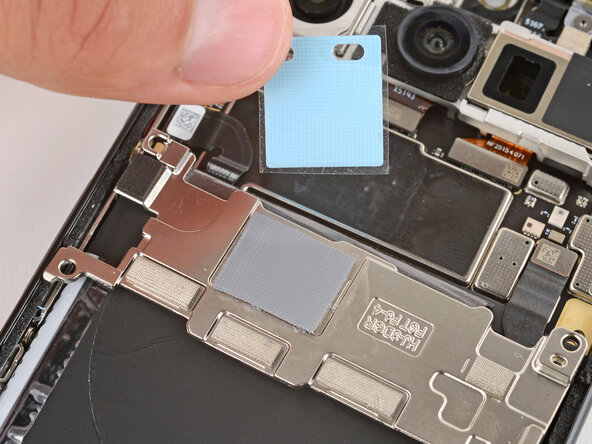
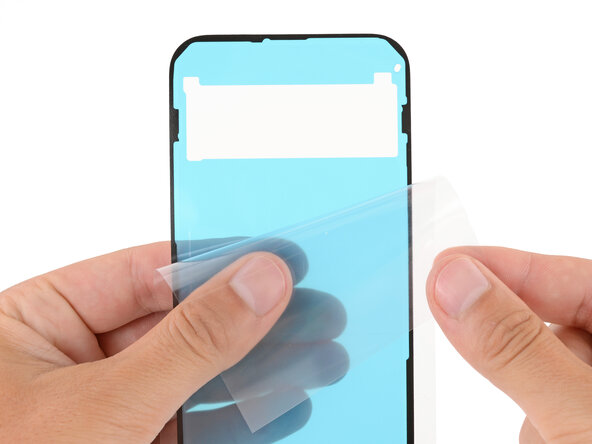
Remove the larger liner (without cutouts) from the thermal pad.
-
Lay the thermal pad in its square cutout on the underside of the motherboard cover.
-
Press down firmly on the entire surface of the pad with your finger or the flat end of a spudger.
-
Slowly peel up the remaining liner.
-
-
-
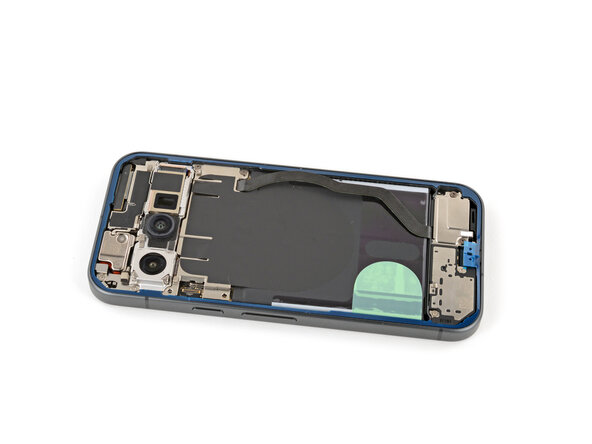
Before installing new adhesive, all the old adhesive and its residue must be completely removed from the frame.
-
-
-
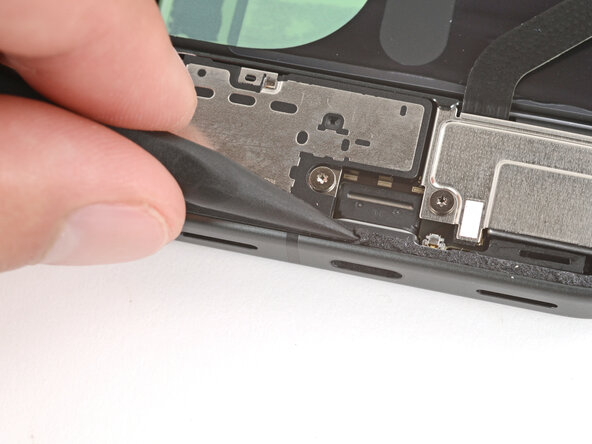
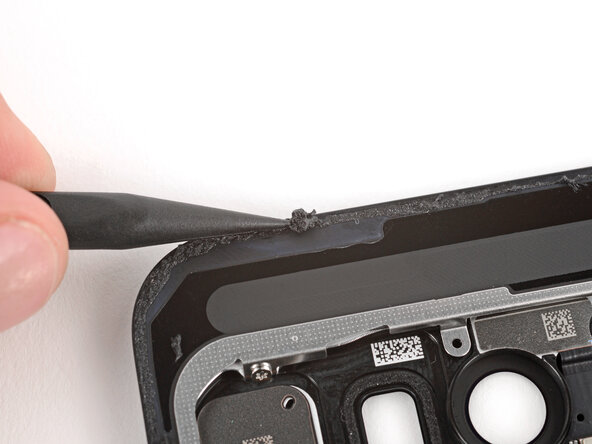
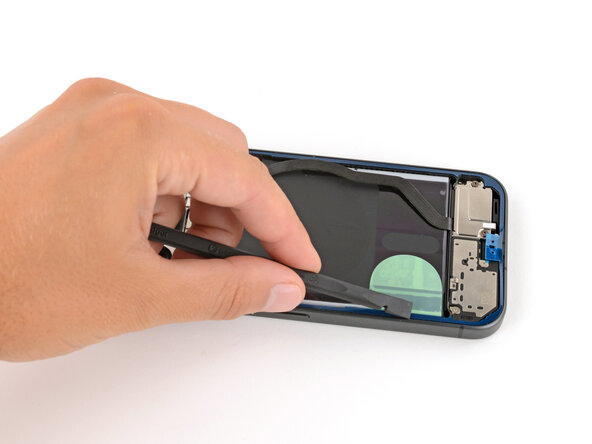
Use the point of a spudger to remove all the old screen adhesive from the frame. Try to "roll" the adhesive onto itself so it balls up, making it easier to remove.
-
If you're having trouble removing smaller chunks, apply a single drop of high‑concentration (>90%) isopropyl alcohol and scrape them up with your spudger.
-
-
-
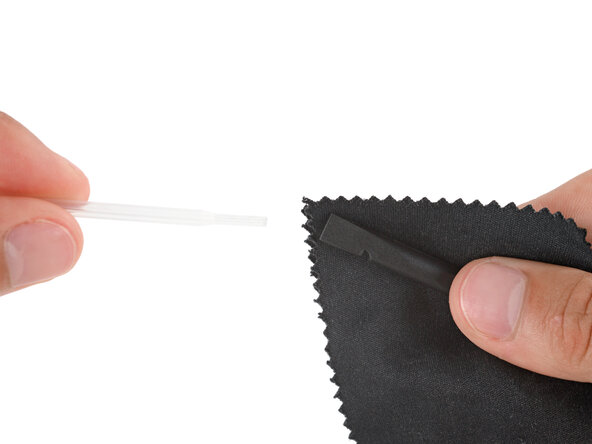
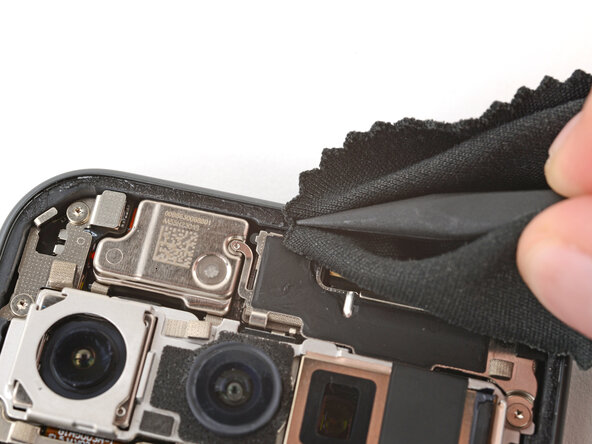
Wrap a microfiber or lint‑free cloth around a spudger and apply a single drop of high‑concentration (>90%) isopropyl alcohol to the end.
-
Use the spudger to clean up all the remaining adhesive residue from the frame, applying more drops of alcohol as necessary.
-
Let the alcohol dry completely before continuing.
-
-
-
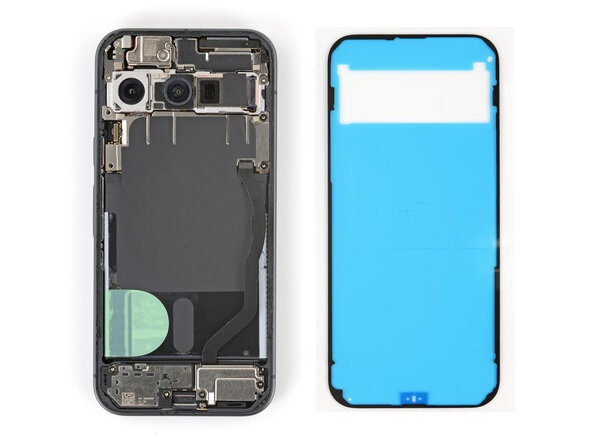
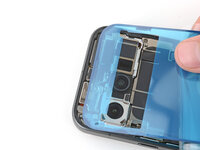
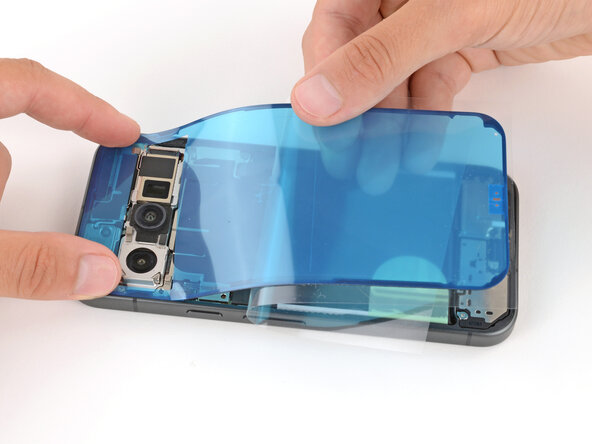
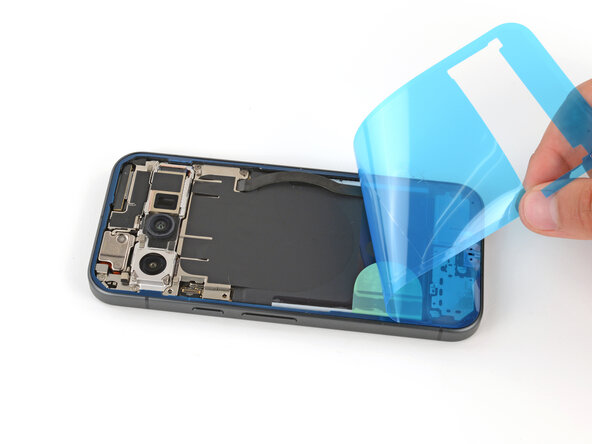
Hold the adhesive above the frame to find its orientation. Use the rear camera cutout in the liner to help visualize how it will lay in the frame.
-
-
-
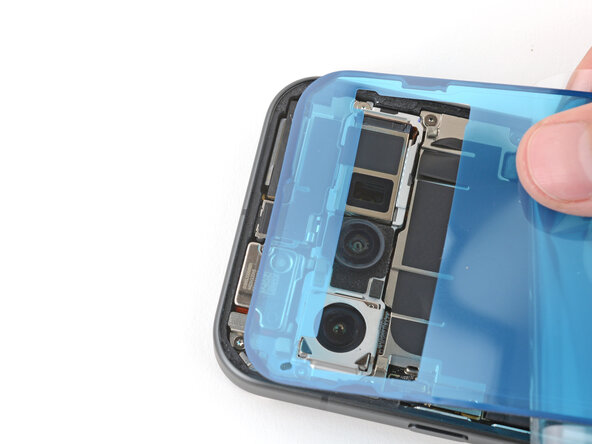
With the larger, clear liner folded towards the bottom of the phone, lay the exposed top edge of the adhesive onto the frame.
-
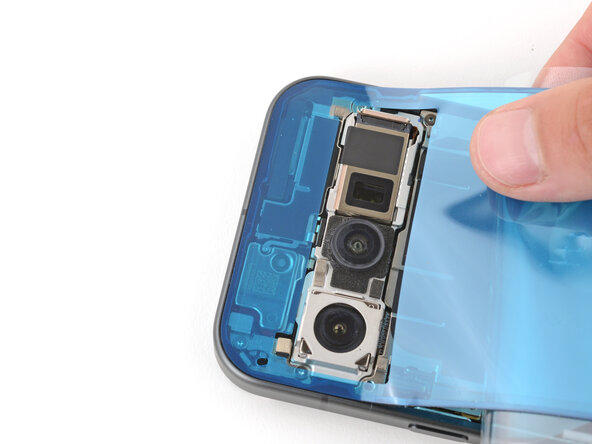
Once the top edge is properly aligned, gently press down on the top corners to secure the adhesive.
-
-
-
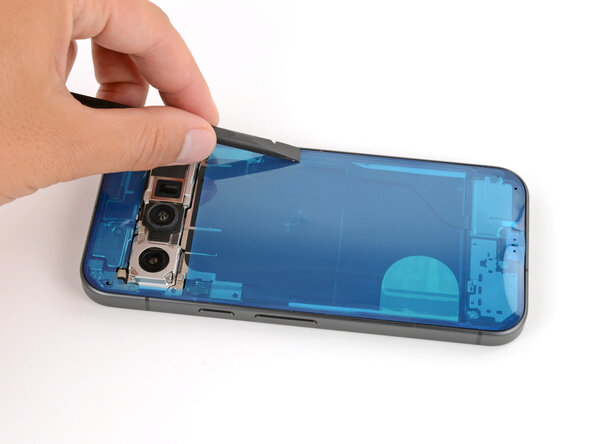
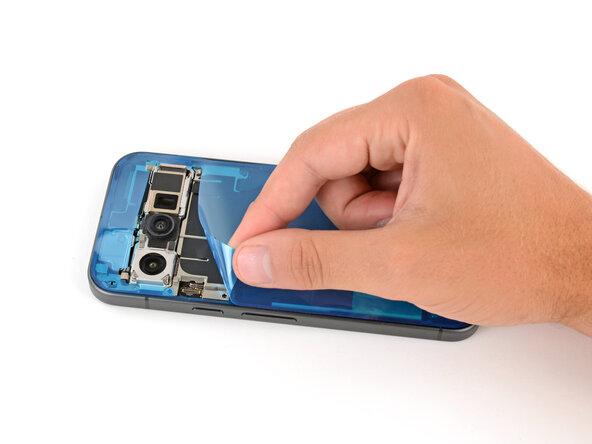
Slowly peel up and remove the large colored liner, gripping it from the cutout near the top edge.
-
-
-
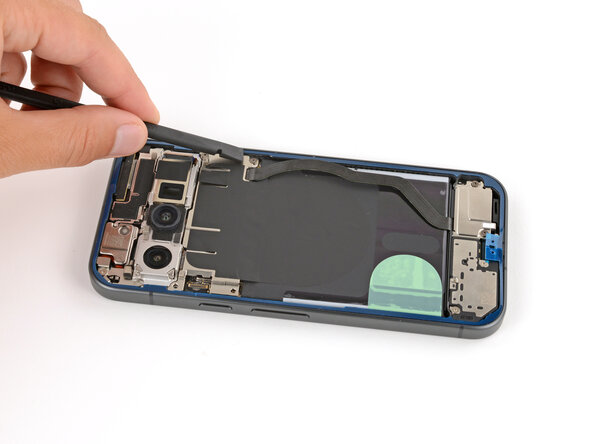
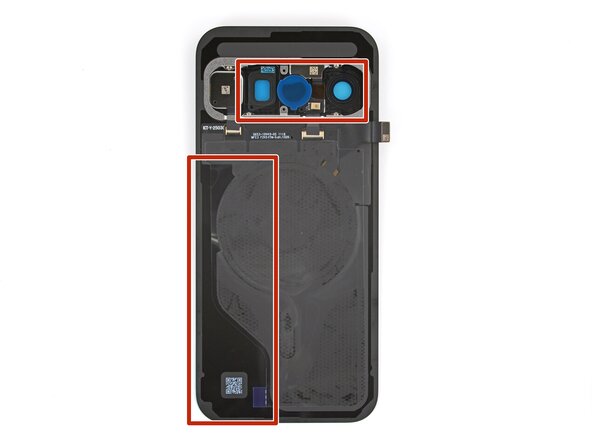
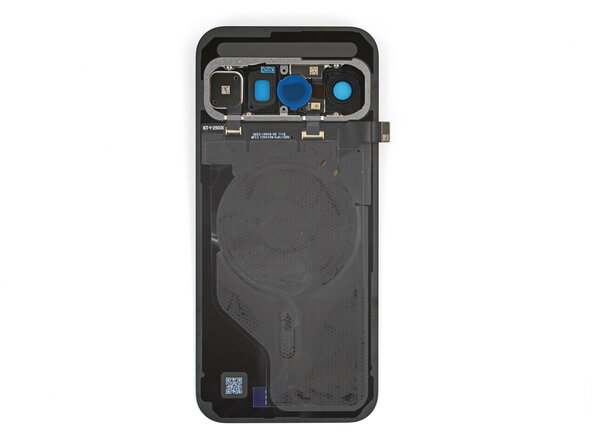
Remove all liners from the underside of the back glass, paying special attention to the front camera cutouts and bottom edge.
-
-
-
Apply a suction handle to the back glass and prop it up on the left side of your phone, so the cable is near its connector.
-
-
-
Use the flat end of a spudger to connect the back glass press connector to its socket.
-
-
-
Put the cable's bracket back in place, making sure the tab on the right edge goes under its groove.
-
-
-
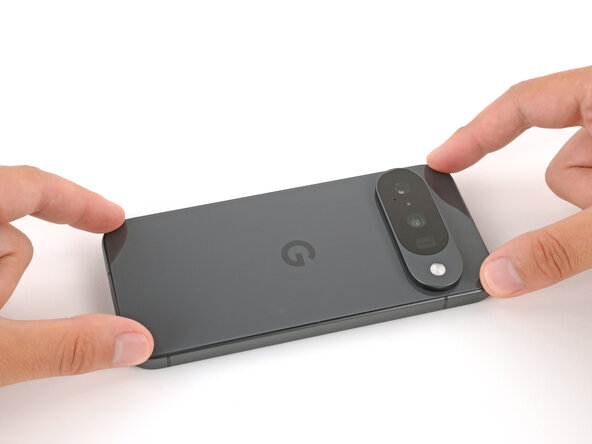
Flip the back glass onto the frame and press it firmly into place.
-
Hold your phone up and squeeze firmly around the perimeter to strengthen the bond.
-
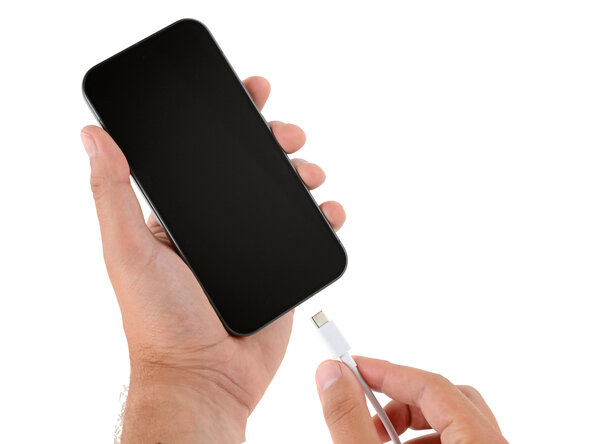
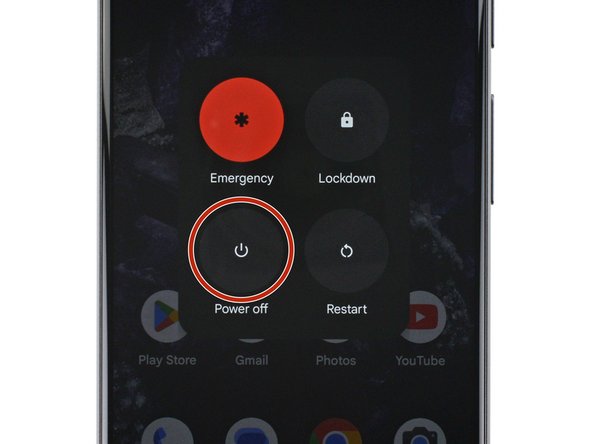





























































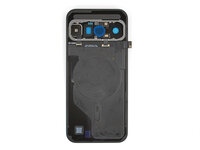










Congratulations on completing your repair!
To run a diagnostics test with the built-in Pixel Diagnostic tool, click here.
Take your e-waste to an R2 or e-Stewards certified recycler.
Repair didn’t go as planned? Try some basic troubleshooting, or ask our Answers community for help.e instructions in reverse order.


